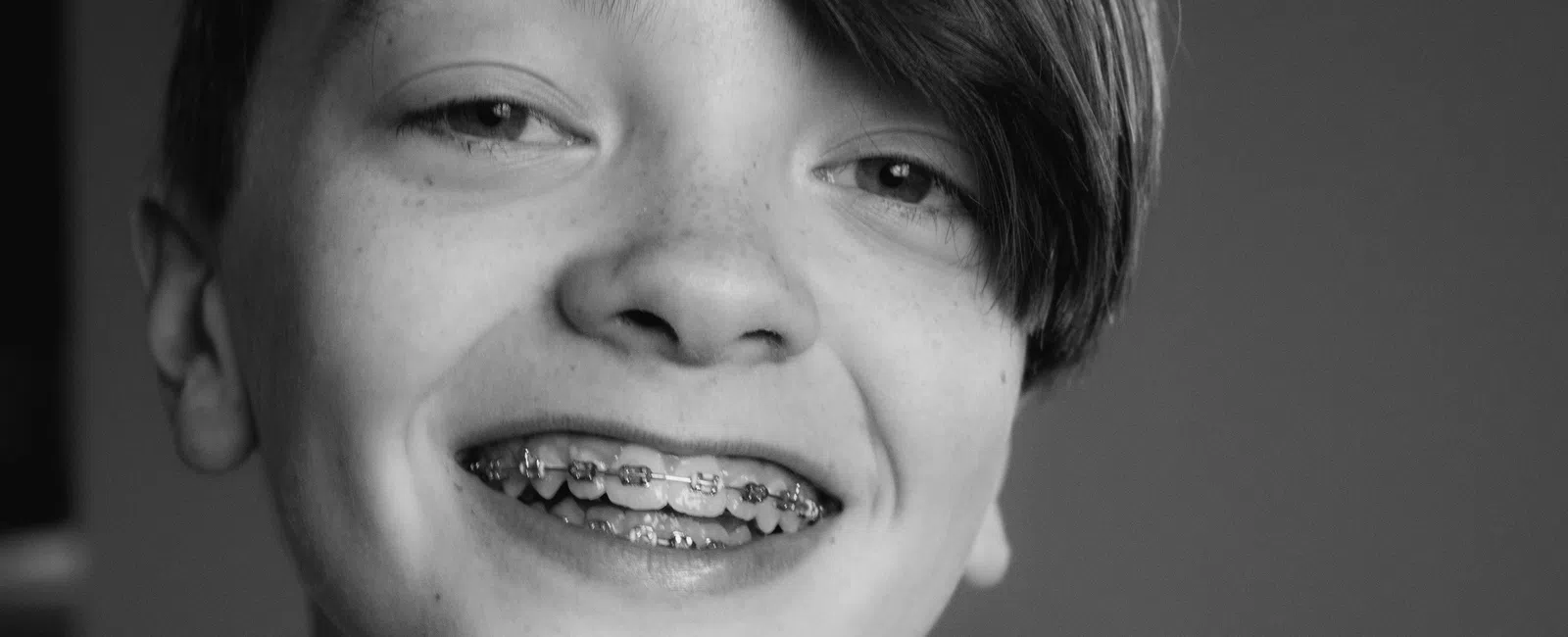
When To Get Your Kid Braces: A Parent's Guide
If you have noticed your child's teeth coming in crooked or crowded, you are probably wondering when the right time is to see an orthodontist. This is one of the most common questions parents ask, and the answer might surprise you.
The Age Most Experts Recommend
Most dental professionals suggest that kids have their first orthodontic checkup around age 7. This might sound early since most children still have a mix of baby teeth and adult teeth at this point. But there is a good reason for this timing.
At age 7, an orthodontist can spot problems that are easier to fix while your child is still growing. Bones in the jaw are softer and more flexible at this age, which makes certain treatments work better than if you wait until the teen years.
Signs Your Child Might Need Braces Sooner Rather Than Later
Some signs are easy to spot at home, even before you visit an orthodontist. Watch for these warning signs:
- Teeth that look crowded or crooked
- Losing baby teeth really early or really late compared to other kids
- Trouble chewing or biting food
- Thumb sucking that continues past age 5
- Jaws that shift or make sounds when your child opens and closes their mouth
- Teeth that do not meet correctly when your child bites down
- Speech problems that seem connected to teeth position
If you notice any of these signs, it is a good idea to schedule an appointment sooner rather than later.
Two Phases of Treatment
Many kids who need orthodontic work end up going through treatment in two phases. The first phase often happens between ages 7 and 10, while your child still has baby teeth. This early treatment focuses on guiding jaw growth and making room for adult teeth to come in properly.
The second phase usually happens during the teen years, once most or all adult teeth have come in. This is when traditional braces often get used to fine tune the position of the teeth.
Not every child needs two phases of treatment. Some kids only need braces once they are older, while others might only need early treatment and nothing more. Your orthodontist will look at your child's specific situation and make a recommendation based on what they see.
Why Waiting Too Long Can Cause Problems
Some parents think it is easier to wait until all the baby teeth fall out before worrying about braces. While this works fine for many kids, waiting too long can sometimes make treatment more difficult.
As kids get older, their jaw bones become harder and less flexible. This means some problems that could have been corrected easily at a younger age might require more complicated treatment later, such as jaw surgery in severe cases. Catching issues early can sometimes mean a shorter and simpler treatment process overall.
What Happens During The First Orthodontic Visit
If you are nervous about that first visit, there is no need to worry. The appointment is usually simple and stress-free. The orthodontist will examine your child's teeth, jaw, and bite. They might take some x-rays to get a better look at how the adult teeth are developing under the gums.
After the examination, the orthodontist will explain whether your child needs treatment right away, needs to be monitored over the next few years, or does not need any treatment at all right now. Many kids who have this first visit do not end up needing braces until much later, if ever.
Every Child Is Different
It is important to remember that every child's mouth develops at its own pace. Some kids might need early intervention, while others might not need any orthodontic work until their teenage years. Genetics, jaw growth, and habits like thumb sucking all play a role in how teeth develop.
Talking to your family dentist can also help. Your dentist sees your child's teeth regularly and can let you know if they notice anything that might need an orthodontist's attention sooner than expected.
Making The Decision That Is Right For Your Family
At the end of the day, you know your child best. If something seems off with their teeth or bite, trust your instincts and schedule a visit with an orthodontist. Getting an early evaluation does not mean your child will definitely need braces right away, but it does give you peace of mind and helps catch potential problems before they become bigger issues.
Whether your child ends up needing braces at age 8 or age 14, starting the conversation early with a dental professional puts you in the best position to make informed decisions about their smile for years to come.